


Derived from renewable, biodegradable natural resources, Veolia plant-based coagulants are an alternative to traditional metal-based polymers conventionally used in wastewater treatment. Particularly effective at breaking emulsions and removing Fat, Oil, and Grease, they offer numerous advantages to contribute to your business performance and sustainable development targets.
Facing a challenging global context, municipal and industrial players must balance ecological transformation with operational efficiency and profitability. Wastewater chemical treatment has thus become a strategic lever.
In general, inorganic coagulants, such as Ferric Chloride (FeCl3) and Polyaluminium Chloride (PAC), have been the conventional choice for clients for the removal of suspended solids and particulate contaminants.
Plant-based coagulants -Klaraid* PC 4002 and Hydrex* 6861 ranges- operate on a fundamentally different mechanism. They are specifically engineered to outperform inorganic salts in destabilizing anionically charged effluent streams while aggregating and bridging particles without forming new insoluble sludge.
*Trademark of Veolia; may be registered in one or more countries.
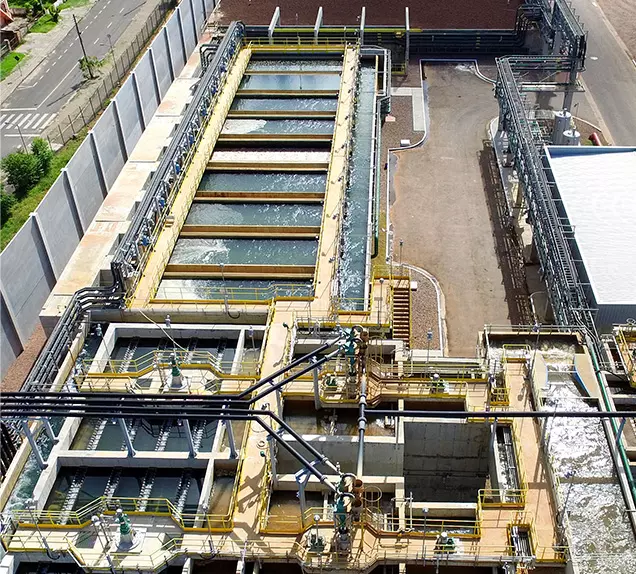
Observe the effectiveness of Hydrex 6861 in this video
Benefits

Up to 50% Sludge Volume Reduction
By eliminating secondary chemical sludge, plant-based coagulants halve the total volume of generated sludge, directly cutting dewatering, carbon footprint and costs of transport.

3 to 7 times lower dosing
than mineral equivalents to achieve the same treatment results.

Maximized Sludge Valorization
The absence of inert mineral hydroxides maintains the sludge's high organic composition, making it easier to dewater and highly suitable for biological valorization, such as anaerobic digestion for biogas production.

Downstream Biological Advantages:
Unlike metal coagulants, PBCs do not strip phosphates from the water. This preserves essential phosphorus nutrients for downstream biological aerated systems, eliminating the need to dose supplementary phosphoric acid to maintain a healthy biology. Furthermore, a metal-free primary treatment removes the risk of aluminum or iron "carryover" that can poison bio-reactors.

Savings on Total cost of operation
Plant-based coagulants don’t decrease pH like metal-based coagulants, meaning that no or less caustic soda is needed for pH correction before flocculation. Polymer dosing is also reduced in flocculation. It means the operating costs associated with these products are also reduced

Improved Health & Safety
Non toxic, safer handling for operators
Plant-based coagulants : a verified lower impact
A rigorous independent "Cradle-to-Grave" Life Cycle Assessment (LCA) using the ReCiPe methodology scientifically validates the environmental superiority of PBCs on metal-based coagulants in a dairy.
The overall environmental impact is 4 times lower than PAC and 2 times lower than FeCl3.
Plant-based coagulants achieve 44% to 59% reduction in Global Warming Potential vs PAC and FeCl3 respectively.
Case study
Challenge
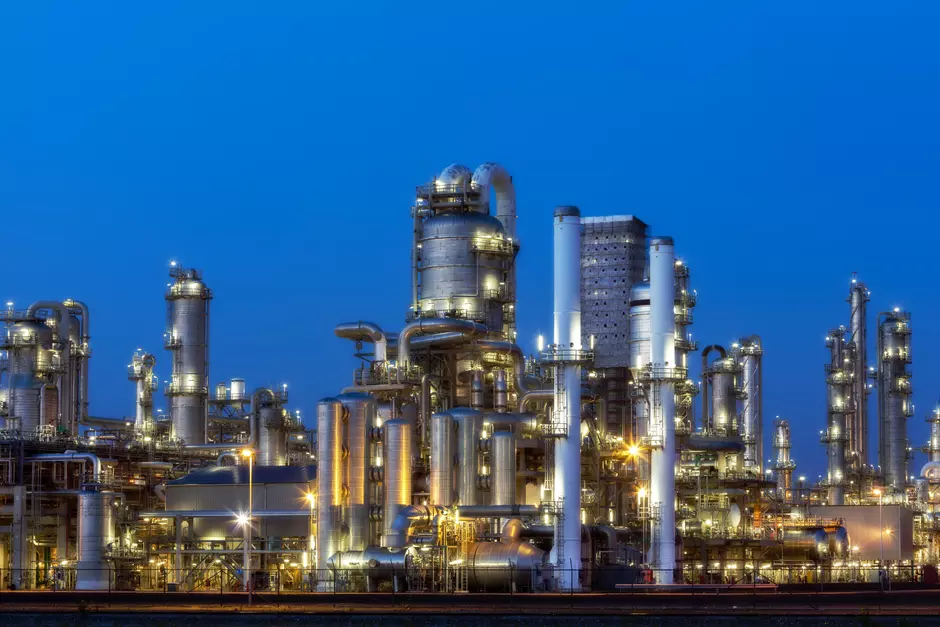
A large refining site in Europe producing 11millions T/y of crude oil, was experiencing bad performance of their wastewater treatment (250m3/h in four biological tanks) Significant improvements were required to meet discharge regulations and reduce chemical consumption levels.
Solution
A switch from traditional metal-based coagulants (130 T/y of FeCl3) to plant-based coagulants. High-reticulated cationic flocculants were also supplied to capture hydrocarbons missed by the API system, and a defoamer was staged for emergencies. Lowering pH regulation by one point in the coagulation/flocculation/flotation step boosted WWTP efficiency, improved turbidity, and eased the downstream biological process while cutting caustic, coagulants and flocculant consumption.
Key results
19%
Total Costs of Operation
43%
Sludge production
69%
less chemicals used
Chemistry alone is not enough
Transitioning chemical programs to plant-based coagulants is a highly strategic decision. But even advanced chemistry is only half the solution.
By integrating Digital Intelligence with TrueSense™ for Wastewater and the services of our experts to our high performance solutions, we provide a fully integrated approach to help you reach your decarbonization targets. In Europe we call it Wastewater Horizon 2030.
TrueSense for wastewater
TrueSense for wastewater is a highly efficient system designed to automatically adjust chemical dosing based on the real-time needs of your treatment process.
The TrueSense controller completely removes the guesswork by using a custom algorithm that measures inline TSS and flow data to adjust dosing pumps. After the inlet TSS sets the primary dosing coefficient against flow, outlet turbidity provides real-time fine-tuning to consistently meet your targets.
Implementing this system brings several major benefits to your operations. : it prevents costly chemical waste, reduces sludge generation, and lowers energy consumption. By ensuring consistent, reliable effluent quality with minimal manual oversight, TrueSense™ optimizes your operating costs and provides a digitally ready platform that integrates seamlessly with InSight for 24/7 visibility.